Gulmarg Gondola Halt Leaves 300 Tourists Stranded Mid-Air After Technical Snag in Kashmir
By: Javid Amin | 25 May 2026
Asia’s Highest Cable Car System Faces Sudden Halt Amid Heavy Tourist Rush in Kashmir
A tense situation unfolded at the famous Gulmarg Gondola on Monday after a sudden technical malfunction brought the cable car system to an abrupt halt, leaving nearly 300 tourists stranded mid-air for close to an hour.
The incident, which occurred during peak tourist movement in north Kashmir’s renowned ski destination Gulmarg, sparked panic among visitors as cabins remained suspended at significant heights, with some tourists reportedly stranded above 13,000 feet near the upper reaches of Apharwat.
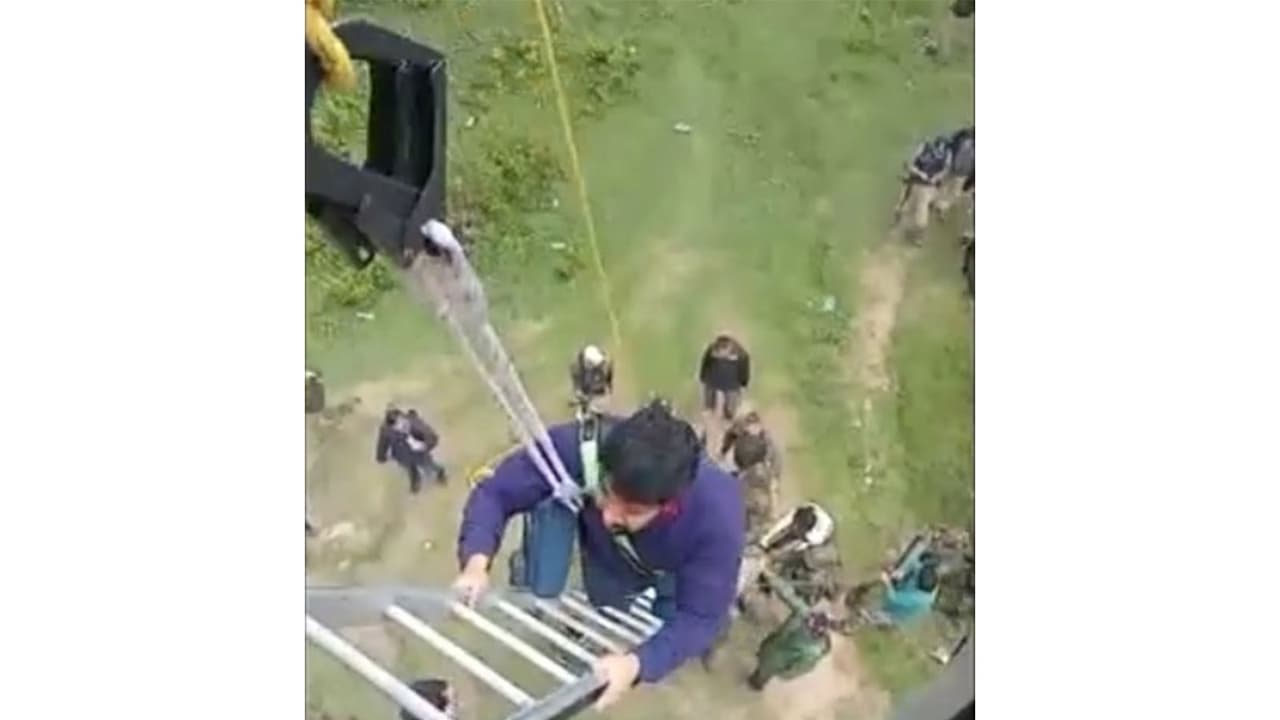
Officials later confirmed that all passengers were evacuated safely after emergency rescue measures were activated by the Jammu & Kashmir Cable Car Corporation and local authorities.
The temporary suspension of operations once again raised questions about infrastructure preparedness, maintenance systems, and tourist safety management during peak travel seasons in Kashmir.
Panic in the Sky as Gondola Stops Abruptly
According to eyewitness accounts, the gondola cabins operating across both Phase I and Phase II routes came to an unexpected standstill during regular operations. Tourists inside the cabins initially believed the stoppage was temporary, but concern quickly escalated as the suspension continued for several minutes.
Families, elderly tourists, and children were among those trapped inside enclosed cabins hanging high above mountainous terrain. Several passengers reportedly experienced anxiety and breathing discomfort due to the altitude and uncertainty surrounding the technical failure.
Visitors described scenes of panic, with some passengers attempting to contact relatives through mobile phones while others recorded videos from inside the cabins.
One tourist from Delhi reportedly said the silence and sudden stoppage created fear among passengers, especially those travelling in the higher-altitude Phase II section leading toward Apharwat Peak.
Emergency Response Prevents Major Mishap
Officials from the Jammu & Kashmir Cable Car Corporation responded immediately after the fault was detected. Rescue protocols were activated, while technical teams began manual intervention procedures to restart and stabilize the system.
Personnel from local police, tourism authorities, and emergency staff coordinated efforts on the ground to ensure calm among waiting tourists and families.
After nearly 45 minutes of suspension, engineers successfully resumed controlled cabin movement and evacuated stranded passengers safely to terminal stations.
Authorities confirmed that no injuries or fatalities were reported during the incident.
The quick response by rescue and technical teams helped prevent the situation from escalating into a larger crisis, particularly considering the altitude and weather conditions in the region.
Preliminary Cause: Mechanical or Power System Failure
Initial technical assessments suggest that the disruption may have been triggered by either a power fluctuation or a malfunction within the gondola’s drive and gear system.
Engineering teams immediately launched a detailed inspection after operations were halted. As a precautionary measure, services on both phases of the gondola were temporarily suspended to conduct safety evaluations and mechanical testing.
Officials stated that a final technical report would determine the exact cause of the malfunction.
Experts note that ropeway systems operating in high-altitude environments are highly sensitive to weather changes, electrical fluctuations, and mechanical stress, especially during periods of continuous operation under heavy tourist load.
Gulmarg Gondola: Kashmir’s Crown Jewel of Tourism
Gulmarg Gondola is widely regarded as one of the world’s highest operating cable car systems and remains among Kashmir’s most visited tourist attractions.
The ropeway connects:
- Gulmarg to Kongdori in Phase I
- Kongdori to Apharwat Peak in Phase II
Situated at elevations exceeding 13,000 feet, the gondola offers panoramic views of snow-covered mountains, alpine meadows, and skiing terrain. It attracts lakhs of tourists annually, including adventure enthusiasts, honeymooners, and international visitors.
During peak summer and winter tourism seasons, the cable car system handles thousands of passengers every day, making uninterrupted operation crucial for the local tourism economy.
The latest incident occurred at a time when Gulmarg has been witnessing a significant tourist influx due to improving weather conditions and rising summer travel demand.
Weather Conditions May Have Added Operational Stress
The incident also coincided with unstable weather conditions in higher reaches of Kashmir, including intermittent rainfall, gusty winds, and light snowfall in upper mountain areas.
Experts say fluctuating weather patterns can place additional stress on ropeway systems operating at extreme altitudes. Moisture accumulation, sudden wind pressure, and voltage irregularities often increase the risk of temporary operational faults.
Tourism officials acknowledged that weather monitoring and preventive inspections would be intensified in the coming days.
Safety Concerns and Questions Over Maintenance
While authorities have assured that the gondola undergoes regular maintenance and safety checks, the incident has sparked renewed debate about emergency preparedness and technical redundancy mechanisms in high-capacity tourism infrastructure.
Some tourists questioned whether emergency communication systems inside cabins were adequate during the stoppage. Others called for better passenger awareness protocols and quicker public announcements during technical interruptions.
Tourism stakeholders, however, cautioned against panic, stating that temporary stoppages are not uncommon in ropeway systems and are often part of built-in safety mechanisms designed to prevent larger accidents.
Officials from the administration reiterated that passenger safety remains the top priority and that no compromise would be made regarding operational standards.
Tourism Industry Watches Closely
The Gulmarg Gondola is not only a tourism icon but also an economic lifeline for hundreds of local workers associated with hotels, transport services, skiing operations, restaurants, and tourism businesses.
Any prolonged disruption in operations can impact visitor confidence and local tourism revenue, particularly during the busy travel season.
Tourism industry representatives have urged authorities to strengthen preventive maintenance systems, improve crisis communication, and install additional backup support mechanisms to avoid similar incidents in the future.
Despite the scare, tourist movement in Gulmarg largely continued normally after the evacuation operation concluded.
Authorities Promise Stronger Safety Measures
Officials have stated that a comprehensive technical audit of the gondola system will be carried out before full-scale operations resume without restrictions.
The Jammu & Kashmir administration is also expected to review safety protocols, emergency evacuation readiness, and maintenance scheduling procedures following the incident.
For now, the near-miss serves as a reminder of the challenges involved in operating complex tourism infrastructure in Kashmir’s high-altitude terrain — where weather, technology, and heavy tourist traffic often intersect under difficult conditions.