Delhi Fire Tragedy: 21 Dead, Including 18 Foreign Nationals, as Malviya Nagar Blaze Exposes Major Safety Lapses
By: Javid Amin | 03 June 2026
One of Delhi’s Deadliest Commercial Building Fires in Recent Years Raises Serious Questions About Compliance and Accountability
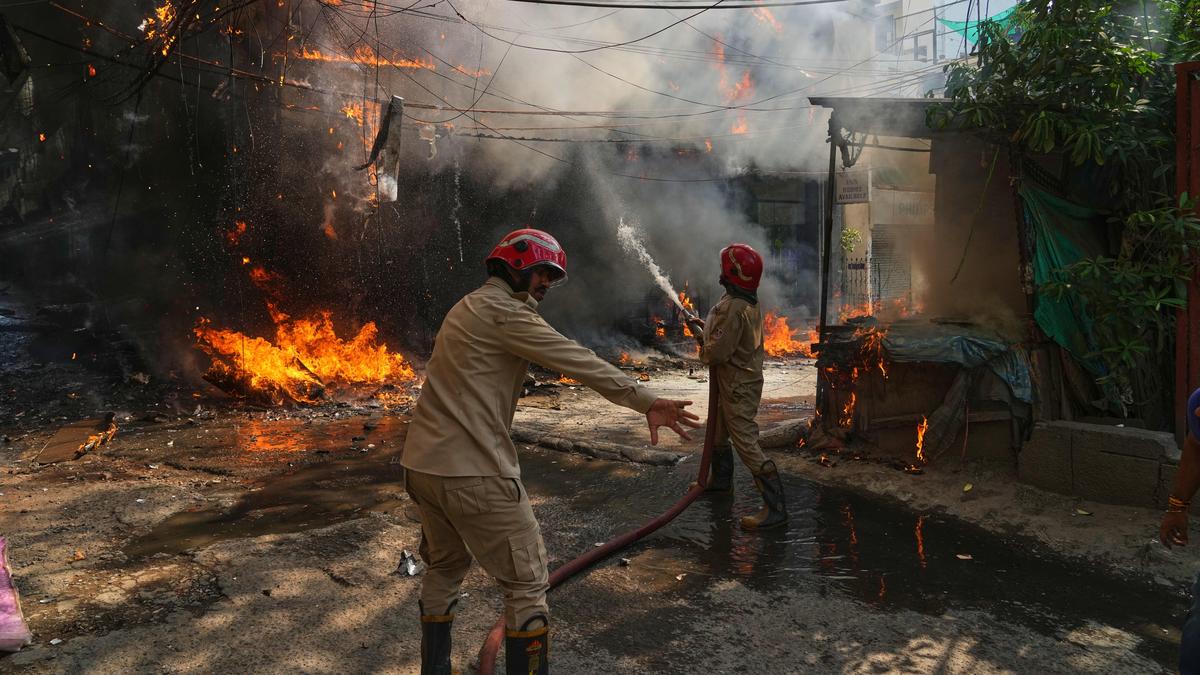
A devastating fire that ripped through a commercial building in South Delhi’s Malviya Nagar on Wednesday has left at least 21 people dead, including 18 foreign nationals, in what is emerging as one of the capital’s worst fire tragedies in recent years. Authorities rescued more than 40 people from the smoke-filled structure, while several others sustained injuries and were rushed to hospitals.
The blaze reportedly began in a restaurant located on the lower level of the building before rapidly spreading through the upper floors, where a hotel or guest accommodation was operating. Rescue teams battled dense smoke and intense flames for several hours before bringing the fire under control.
As investigations begin, the tragedy has reignited concerns over fire safety compliance, illegal building modifications, and regulatory enforcement in India’s urban centers.
How the Tragedy Unfolded
According to officials, the fire broke out around 8:50 a.m. in the Malviya Nagar-Hauz Rani area of South Delhi.
Multiple fire engines, police teams, disaster management personnel, and ambulances were rushed to the scene after emergency calls were received. Rescue operations continued throughout the morning as firefighters searched smoke-filled rooms and evacuated trapped occupants. More than 40 people were eventually rescued.
Eyewitnesses described scenes of panic as guests trapped on upper floors shouted for help. Some occupants reportedly attempted to escape through windows, while local residents joined rescue efforts by helping evacuate victims and cushioning jumps from the building.
Victims Included Foreign Nationals Seeking Medical Treatment
One of the most striking aspects of the tragedy is the large number of foreign nationals among the victims.
Authorities have confirmed that at least 18 of the 21 people killed were foreign citizens, including individuals from Bangladesh and several African countries such as Liberia, Nigeria, and Mozambique. Many were reportedly in Delhi for medical treatment or accompanying patients receiving healthcare in the capital.
Casualty Breakdown
| Category | Details |
|---|---|
| Foreign Nationals | 18 |
| Indian Nationals | 3 |
| Total Fatalities | 21 |
| Rescued | More than 40 |
The incident has attracted international attention due to the number of foreign victims and could lead to diplomatic engagement with embassies and consular authorities assisting affected families.
Emerging Evidence Points to Serious Safety Violations
While the exact cause of the fire remains under investigation, preliminary findings have uncovered alarming irregularities in the building’s operation.
Reports indicate that the establishment was legally licensed for only six rooms but was allegedly operating nearly 25 rooms. Investigators have also identified concerns related to unauthorized construction, basement occupancy, inadequate emergency exits, and possible non-compliance with mandatory fire safety requirements.
Authorities are examining whether the building possessed a valid fire safety clearance and whether structural modifications may have contributed to the rapid spread of smoke and flames.
These findings have intensified scrutiny of commercial establishments operating in densely populated neighborhoods across Delhi.
Why This Fire Has Sparked Public Anger
For many citizens, this tragedy represents more than an isolated accident.
India has witnessed several deadly fires in commercial buildings, hospitals, coaching centers, factories, and hotels over the years. In many cases, investigations have revealed common patterns:
- Blocked emergency exits.
- Lack of fire detection systems.
- Illegal construction.
- Overcrowding.
- Weak enforcement of safety regulations.
- Delayed compliance with fire audits.
The Malviya Nagar fire appears to fit into a broader pattern where safety norms exist on paper but enforcement remains inconsistent.
As details emerge, public debate is increasingly shifting from the immediate cause of the fire to the regulatory environment that allowed such vulnerabilities to persist.
Impact on India’s Reputation as a Medical Tourism Hub
The tragedy also has implications beyond Delhi.
Many of the foreign victims were reportedly staying in the area because of its proximity to major hospitals and medical facilities. South Delhi has become a major center for international patients seeking affordable treatment in India.
The deaths of foreign nationals in a commercial accommodation facility could raise concerns among international visitors regarding:
- Safety standards.
- Emergency preparedness.
- Regulatory oversight.
- Quality of hospitality infrastructure.
While isolated incidents do not define an entire sector, experts note that high-profile disasters involving foreign citizens often attract significant international attention.
Accountability Questions Grow Louder
The investigation is expected to focus on several critical questions:
Was the building operating beyond approved capacity?
Reports suggest the property may have been hosting significantly more guests than its license permitted.
Were mandatory fire safety clearances in place?
Authorities are examining whether required fire safety certifications and inspections were properly obtained and maintained.
Did structural violations worsen the disaster?
Investigators are assessing whether unauthorized rooms, basement operations, and limited escape routes contributed to the high death toll.
Were inspections conducted adequately?
The tragedy is likely to trigger scrutiny of regulatory oversight mechanisms and enforcement practices.
Expert Analysis: A Systemic Governance Challenge
Urban safety experts frequently warn that disaster prevention depends less on emergency response and more on enforcement before an incident occurs.
The Delhi fire highlights a recurring governance challenge:
Rules often exist, but compliance monitoring remains uneven.
When commercial establishments expand beyond licensed capacities, modify structures without approval, or neglect emergency preparedness, the risks increase dramatically.
Experts argue that effective prevention requires:
- Regular fire audits.
- Digital compliance tracking.
- Surprise inspections.
- Public disclosure of violations.
- Strong penalties for repeat offenders.
- Accountability for regulatory failures.
Without systemic reforms, similar tragedies remain difficult to prevent.
What Happens Next?
Delhi authorities have launched investigations into the cause of the fire and the building’s compliance status. Officials are expected to examine licensing records, fire safety documentation, occupancy levels, and construction approvals.
Meanwhile, diplomatic channels may become involved as foreign governments seek information regarding their citizens among the victims.
The outcome of these investigations will likely determine whether the tragedy leads to broader reforms or becomes another addition to a long list of preventable urban disasters.
Conclusion
The Malviya Nagar fire is not merely a story about a blaze that claimed 21 lives. It is a stark reminder of the consequences when safety regulations, oversight mechanisms, and accountability systems fail to keep pace with rapid urban growth.
The victims included people who had traveled thousands of kilometers seeking treatment, opportunity, or temporary shelter. Their deaths have transformed a local disaster into a national and international concern.
As Delhi mourns the loss of 21 lives, the central question is no longer how the fire started alone—it is whether authorities, regulators, and business operators will address the deeper structural failures that allowed such a tragedy to occur in the first place.