India’s federal government took direct control of Kashmir state Wednesday after the ruling Hindu nationalist party ended its long-troubled alliance there with a Kashmiri political party.
The shift to direct rule in the disputed region was approved after the Bharatiya Janata Party withdrew its support Tuesday for the People’s Democratic Party, following years of feuding and a deteriorating security situation. The BJP also heads the central government, and officials say Prime Minister Narendra Modi was involved in the decision to withdraw from the coalition.
Political decisions will now be made by the government in New Delhi, though day-to-day life is unlikely to change significantly for the people of Kashmir.
State elections are scheduled for 2020, but a vote could be called before then.
The coalition government was formed in 2015 after extended and difficult negotiations, since the two parties hold diametrically opposed views on many major issues, including the law that exempts Indian military personnel from criminal prosecution in the violence-wracked Himalayan region. The People’s Democratic Party wants the draconian law scrapped. The BJP supports it. The BJP has consistently advocated a tough government approach in Kashmir while the People’s Democratic Party favors reconciliation and dialogue.
The coalition marked the first time that the Hindu nationalist BJP held a leadership position in the Muslim-majority region.
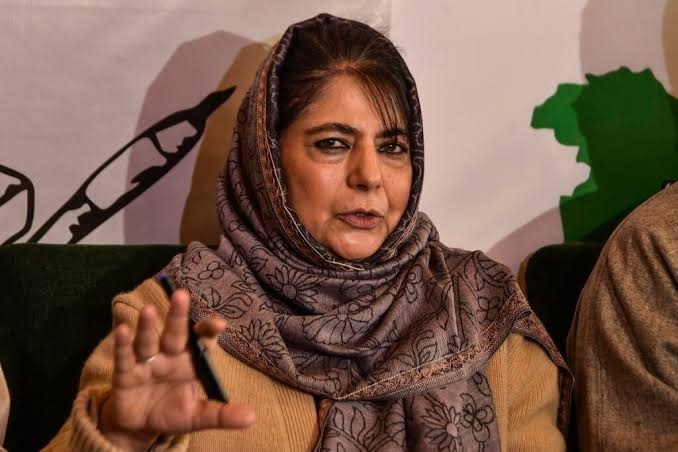
Mehbooba Mufti, the president of the People’s Democratic Party and the state’s top official, resigned after the BJP withdrew its support, paving the way for direct rule.
She told reporters that the alliance had been cobbled together “although this was against the sentiments of the people.”
“Our aim was reconciliation and dialogue,” she said, adding that politicians had hoped the alliance with Modi’s party would “help in bringing out the state from its situation of turmoil.”
Other pro-India political parties said the alliance was bound to collapse, given the two parties’ different political ideologies.
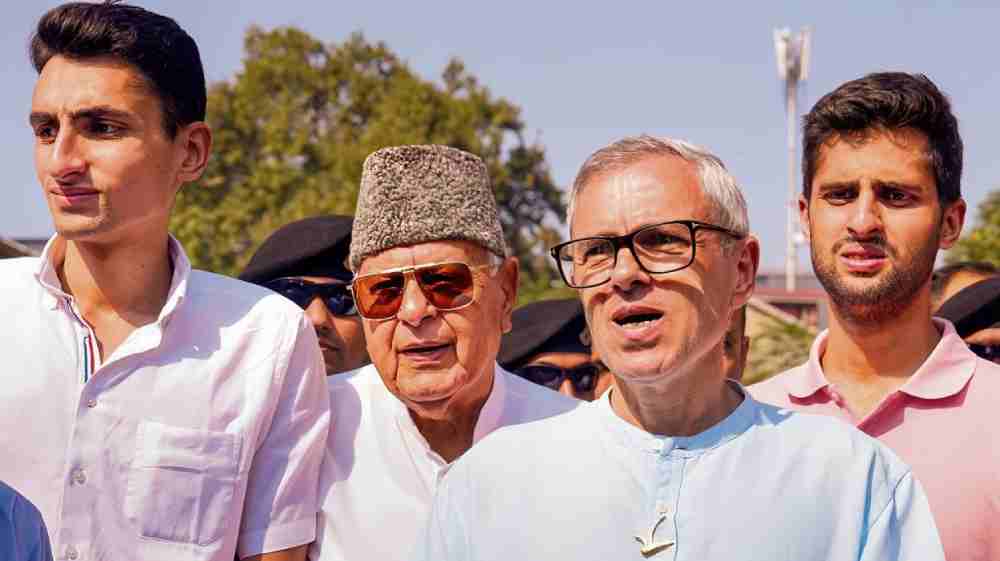
“And so it has come to pass,” former chief minister and opposition leader Omar Abdullah said in a tweet, blaming both parties for the security situation.
Separatists who challenge India’s sovereignty over Kashmir did not immediately comment on the political developments, though in the past their leaders have consistently ridiculed pro-India politicians as collaborators.
India and Pakistan have fought two wars over Kashmir, which is divided between the neighbors but claimed by both in its entirety.
Rebel groups have been fighting against Indian rule since 1989 and about 70,000 people have been killed in the armed uprising and subsequent Indian military crackdown. The rebels want Kashmir to be united under Pakistani rule or become an independent country.
Public opposition to Indian rule remains deep in Kashmir, mainly expressed through street protests. The region has seen renewed rebel attacks in recent years.