By: Javid Amin
In today’s fast-paced digital world, smartphones have become an indispensable part of our lives. However, the increasing reliance on these devices also makes us susceptible to various cyber threats. One such emerging threat is “juice jacking.” This article will delve into what juice jacking is, how it works, and essential tips to avoid falling into this trap.
What is Juice Jacking?
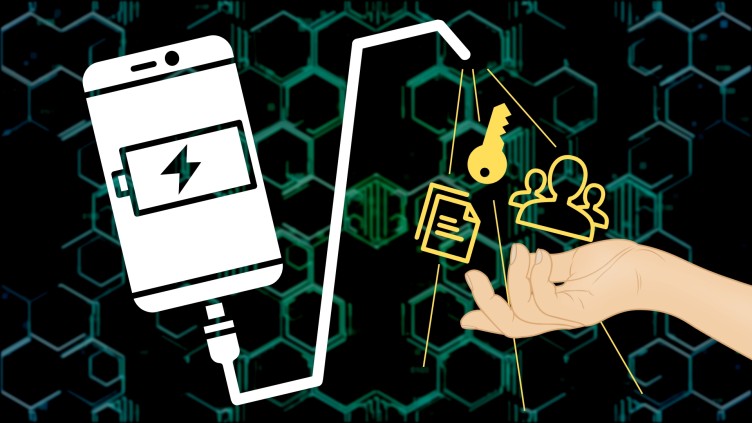
Juice jacking is a cyber attack where malicious actors exploit the vulnerabilities in public charging stations to steal data or install malware on unsuspecting users’ smartphones or other electronic devices. These charging stations are usually found in airports, shopping malls, hotels, public transport, and other crowded places.
How Juice Jacking Works
- Malicious USB Charging Stations: Cybercriminals modify or install USB charging ports with hidden malware or data-stealing components. When users connect their devices to these stations, the malware gains access to the connected device.
- Malicious USB Cables: Some attackers replace legitimate USB cables with ones that have hidden data transfer capabilities. When users plug their devices into these cables, sensitive data can be accessed or compromised.
- Data Interception: Hackers can intercept data being transferred between a device and the charging station, gaining unauthorized access to personal information, login credentials, and other sensitive data.
Tips to Avoid the Trap
- Use Your Own Charger: Carry your charger and power adapter to avoid using public charging stations. This ensures that you are not susceptible to any potential juice jacking attempts.
- USB Data Blockers: Invest in USB data blockers (also known as charging blockers or juice jack defenders). These small devices block data transfer while allowing power to flow through, ensuring safe charging.
- Power Outlets: Opt for charging stations that only offer power outlets without any USB ports. This minimizes the risk of data theft or malware installation.
- Portable Chargers: Carry a portable power bank or battery charger to recharge your devices on the go. This eliminates the need to use unknown charging stations.
- Enable Data Protection: Disable the “Allow Access to Data” option when connecting your device to any computer or charging station. This prevents unauthorized data transfer.
- Use Wireless Charging: Embrace wireless charging technology whenever possible. Wireless charging pads don’t transmit data, reducing the risk of juice jacking.
- Install Security Software: Ensure that your device has up-to-date security software and a reliable antivirus program to detect and prevent potential malware attacks.
NutShell:
As the popularity of public charging stations grows, so does the risk of juice jacking attacks. Being aware of this cyber threat and taking necessary precautions can help safeguard your personal information and prevent potential data breaches. Always prioritize safety and opt for secure charging methods to keep your electronic devices and data protected.