Fresh Wet Spell Raises Concerns Over Apple Harvest and Paddy Crops After Hailstorms Damage Fields Across Kashmir
By: News Desk | 12 October 2026
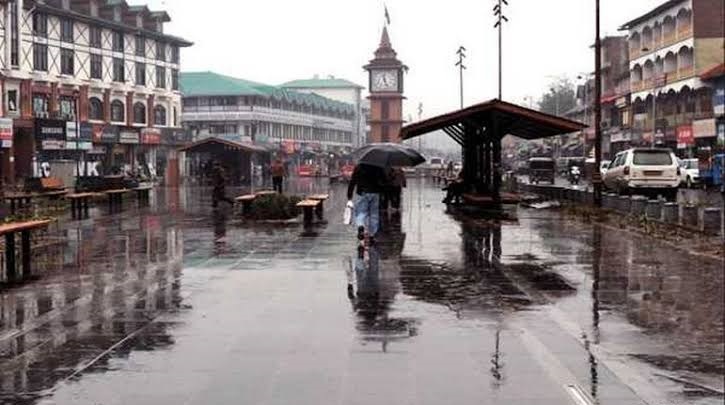
Srinagar: Jammu and Kashmir is bracing for another spell of unsettled weather, with the Meteorological Centre Srinagar forecasting rain, thunderstorms and gusty winds at many places between October 13 and 15. Light snowfall is also possible over higher reaches and important mountain passes, prompting fresh advisories for farmers, orchardists, travellers and transporters.
The latest forecast comes days after intense hailstorms and heavy rain battered parts of Kashmir, damaging standing crops and apple orchards at a critical stage of the harvesting season. Bandipora was reported among the worst-affected districts, while damage was also reported from parts of Ganderbal, Baramulla and Kupwara.
With apple picking and paddy harvesting under way in several areas, the timing of the new weather spell has raised concerns about further agricultural losses. The Meteorological Department has advised farmers to ensure the safe storage of harvested apples, paddy and other crops during the period of unsettled weather.
Travellers heading towards higher reaches and mountain passes have also been asked to plan their journeys carefully, monitor weather updates and follow traffic advisories.
J&K Weather Forecast: What to Expect Till October 15
According to the latest forecast reported on October 12, generally cloudy conditions and isolated light rain were expected on Monday, with light snowfall possible in higher reaches.
The weather is expected to become more unsettled between October 13 and 15, when light to moderate rainfall, thunderstorms and gusty winds may affect many places across Jammu and Kashmir. Higher-altitude areas and mountain passes could receive light snowfall.
The forecast indicates that the current spell may affect both the Kashmir Valley and parts of the Jammu division, although the intensity and timing of precipitation may vary from one location to another.
The Meteorological Centre has also indicated a possible brief spell of light rain at isolated places on October 16, followed by generally dry conditions from October 17 to 24.
These are forecasts rather than guarantees of uniform weather across the Union Territory. Mountainous terrain can produce sharp local variations, meaning that conditions in Srinagar may differ considerably from those along higher roads and exposed mountain routes.
Hailstorms Have Already Damaged Crops and Orchards
The latest warning follows a severe hailstorm that struck parts of Kashmir on October 8, bringing heavy rain and strong winds that damaged standing crops and fruit orchards.
Bandipora district in north Kashmir was among the worst affected. Residents reported hailstones covering fields and roads within minutes, while traffic movement was disrupted in some areas.
Reports from parts of Kupwara indicated damage to paddy fields and apple orchards. Crop damage was also reported from areas of Ganderbal and Baramulla.
The intensity of the storm left farmers concerned about the condition of fruit still on trees and crops awaiting harvest.
However, the full financial impact remains uncertain. Initial reports stated that detailed official assessments had not been completed, and district-wise loss figures were not immediately available.
A reliable assessment will require field inspections to establish the extent of damaged fruit, standing paddy, other crops and affected agricultural land.
For farmers already dealing with the costs of cultivation, harvesting, transport and storage, even localised damage can affect the quantity and quality of produce available for sale.
Apple Growers Face Fresh Uncertainty at a Critical Stage
The apple industry is particularly vulnerable when hail and strong winds strike close to harvest.
Hailstones can bruise or puncture fruit, damage branches and cause apples to fall prematurely. Even fruit that remains on trees may suffer visible or internal damage, affecting its market grade and sale value.
Strong winds can compound the problem by knocking fruit from branches and damaging trees. Rain can also complicate picking, transport and temporary storage, particularly when growers lack adequate covered facilities.
The consequences extend beyond the orchard.
Apple harvesting supports a chain of activities involving pickers, transport workers, packing facilities, traders, cold-storage operators and wholesale markets. Disruption at the production stage can affect several of these groups.
The impact will depend on the location and severity of the weather, the variety and maturity of the fruit, the amount of produce already harvested and the extent of damage confirmed during inspections.
Growers have therefore been advised to remain vigilant and arrange the safe storage of harvested apples ahead of the forecast wet spell.
Where fruit is ready for picking and conditions permit, farmers may need to adjust harvesting schedules. Such decisions should be guided by local conditions and expert agricultural advice rather than by a blanket assumption that every orchard will experience the same risk.
Paddy Farmers Urged to Protect Harvested Produce
Paddy farmers are facing a similar challenge as harvesting operations continue in several parts of the Valley.
Rain and gusty winds can complicate harvesting, transportation and the drying of harvested produce. Paddy left exposed to moisture may require additional drying and careful handling before storage to reduce the risk of spoilage.
Farmers who have already harvested their crop should keep it under suitable cover and avoid leaving produce exposed to rain wherever possible.
Those whose crops remain in the fields should monitor local weather conditions and coordinate harvesting operations according to crop maturity, field conditions and available labour.
The aim is to minimise avoidable losses while ensuring that harvesting is carried out safely.
The latest advisory is especially relevant for farmers who have limited covered storage space or depend on favourable weather to dry their produce.
Travellers Warned About Snowfall and Mountain Road Conditions
The forecast of light snowfall over higher reaches and important mountain passes has also raised concerns for people planning journeys through elevated areas.
Even relatively light snowfall can reduce visibility, make road surfaces slippery and complicate driving where temperatures fall and moisture accumulates on exposed stretches.
Rain and thunderstorms may create additional difficulties, particularly on winding mountain roads where visibility can change rapidly.
Travellers, transporters and other road users have been advised to plan journeys according to weather conditions and follow official traffic advisories.
Those heading towards higher-altitude destinations should check the latest route information before departure rather than relying on an earlier forecast or reports from locations at lower elevations.
If weather deteriorates, delaying a non-essential journey may be safer than continuing through a pass or road section affected by poor visibility or slippery conditions.
People travelling through remote areas should also account for the possibility of delays and carry appropriate supplies.
Why the Changing Weather Matters for Kashmir’s Economy
The latest forecast highlights the close relationship between Kashmir’s weather and its rural economy.
Agriculture and horticulture depend not only on seasonal rainfall and temperature but also on the timing of weather events. A storm arriving during a sensitive stage of crop development or harvesting can have consequences that extend well beyond the day on which it occurs.
For apple growers, the immediate concern is protecting fruit and ensuring that produce reaches markets in saleable condition. For paddy farmers, the priority is completing harvesting and securing the crop against moisture-related losses.
The effects can vary significantly between districts and even between neighbouring villages. A weather event may cause serious damage in one orchard belt while leaving another area relatively unaffected.
This makes timely field assessments essential. Without verified figures, it is difficult to determine the scale of losses, identify the most vulnerable farming communities or estimate whether targeted assistance may be necessary.
The administration’s response should therefore include prompt assessment of reported damage and clear communication with affected farmers.
What Farmers and Travellers Should Do
In view of the forecast for October 13-15, several precautions are particularly important.
For farmers and orchardists:
- Store harvested apples and paddy under suitable cover.
- Monitor local weather bulletins before scheduling harvesting and transportation.
- Inspect orchards after hail or strong winds and document visible crop damage.
- Follow guidance from agricultural and horticultural experts on harvesting, handling and storage.
- Report significant losses to the relevant local authorities for assessment.
For travellers and transporters:
- Check official weather updates and traffic advisories before leaving.
- Exercise caution on mountain roads during rain, thunderstorms or snowfall.
- Allow additional travel time and avoid unnecessary journeys during deteriorating conditions.
- Follow restrictions or instructions issued by traffic authorities for vulnerable routes.
These measures cannot prevent adverse weather, but they can reduce avoidable losses and help people respond more effectively when conditions change.
Weather Expected to Improve After October 15
The current forecast suggests that the unsettled spell may ease after October 15. A brief spell of light rain remains possible at isolated places on October 16, while generally dry weather is expected from October 17 to 24, according to the forecast reported by the Meteorological Centre Srinagar.
The outlook may provide some relief to farmers and travellers, although conditions can change and local forecasts should be checked regularly.
For now, the priority remains protecting harvested produce, assessing damage from the recent hailstorms and preparing for the possibility of another round of rain and gusty winds.
As Kashmir moves deeper into autumn, the coming days will test how effectively farmers can safeguard their harvest and how carefully travellers respond to changing conditions in the mountains.
The forecast does not suggest that every district will experience the same intensity of rain or snowfall. But after the recent crop damage, even a short spell of adverse weather warrants attention.
With rain, thunderstorms and possible snowfall forecast till October 15, timely precautions could make a significant difference to farmers protecting their produce and travellers navigating Kashmir’s mountain routes.