Kashmir Freezes as Srinagar Hits −2.0°C; Dry Spell Raises Concerns Over Winter Snowfall
By: News Desk | Kashmir Weather | November 27, 2026
Kashmir is slipping deeper into winter, with freezing nights, frost-covered landscapes and a persistent dry spell beginning to shape the Valley’s weather outlook. Srinagar recorded the season’s coldest night at −2.0°C, while temperatures plunged further in several south Kashmir districts, signalling a sharp intensification of the winter chill.
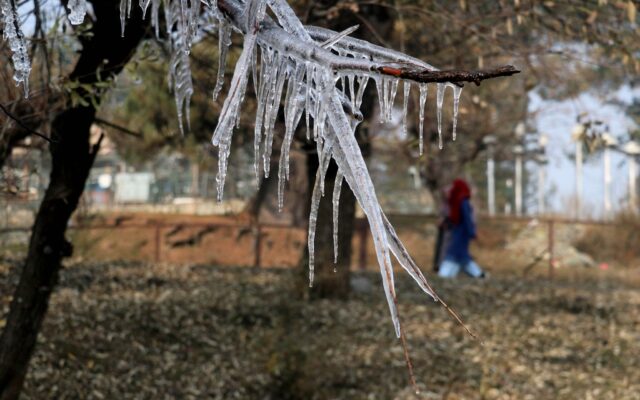
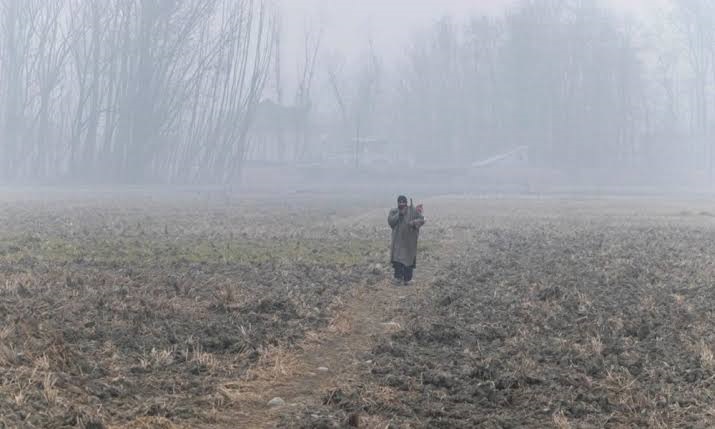
The cold was visible across the Valley on Friday morning. Frost coated open fields, rooftops, parked vehicles and lawns, while haze in several areas added to the wintry atmosphere. Residents heading out for work and other daily activities faced biting cold, particularly during the early morning hours.
But the falling mercury is only part of the developing weather story. With precipitation largely absent and no widespread snowfall in sight in the immediate forecast, concerns are growing over the consequences of a prolonged dry winter for Kashmir’s water resources, agriculture, horticulture and overall seasonal balance.
Srinagar records season’s coldest night as temperatures fall across Kashmir
The temperature drop has been particularly pronounced in south Kashmir and other frost-prone areas, where several locations recorded sub-zero readings.
According to the latest local weather reports, Shopian emerged as the coldest place in the Valley, recording a minimum of −4.2°C. Pulwama recorded −3.4°C, Khudwani −3.0°C, Anantnag −2.7°C and Qazigund −2.4°C.
Minimum temperatures reported across Kashmir
| Location | Minimum temperature |
|---|---|
| Srinagar | −2.0°C |
| Shopian | −4.2°C |
| Pulwama | −3.4°C |
| Khudwani | −3.0°C |
| Anantnag | −2.7°C |
| Qazigund | −2.4°C |
Reported readings from local weather reports dated November 27. Temperature readings can vary by station and reporting time.
The colder conditions in areas such as Shopian and Pulwama reflect the Valley’s varied geography. Elevation, topography, exposure, local wind conditions and the ability of cold air to settle in low-lying areas all influence night temperatures.
Srinagar, meanwhile, has continued to experience temperatures below the seasonal normal, marking a noticeable shift from the relatively mild conditions seen earlier this month.
Why Kashmir is freezing despite the absence of snowfall
The cold intensifying across Kashmir is closely linked to the prevailing dry weather and clear skies.
During the day, sunlight warms the ground. After sunset, the Earth’s surface releases heat back into the atmosphere. When skies remain clear and winds are relatively calm, this heat escapes more efficiently, allowing temperatures near the surface to fall sharply overnight.
This process, known as radiational cooling, can produce severe frost and freezing temperatures even without fresh snowfall.
In areas where cold air settles and becomes trapped, temperatures may drop further. Such conditions are particularly common in parts of south Kashmir, where local terrain can favour the accumulation of colder air during the night.
The result is a familiar but increasingly harsh winter pattern: sunny or relatively mild afternoons followed by sharply cold evenings and freezing early mornings.
Dry spell continues, but the bigger concern is the missing winter precipitation
The weather has become increasingly concerning because the cold is arriving without the precipitation Kashmir traditionally depends on during winter.
The Meteorological Centre Srinagar has forecast generally dry conditions through December 3. A possible change is expected thereafter, with cloudy conditions and chances of light precipitation at scattered places during December 4–6. Forecast models are also indicating the possibility of another Western Disturbance between December 7 and 10, which could bring further precipitation.
However, these outlooks remain subject to change, and the intensity, distribution and elevation-wise snowfall potential of the systems will become clearer closer to their arrival.
For Kashmir, winter precipitation is not simply about scenic snowfall or tourism. It plays a critical role in replenishing the region’s natural water reserves.
Snow accumulated in the mountains acts as a seasonal reservoir. It gradually melts during spring and summer, supporting streams, rivers, springs, irrigation systems and water supplies.
A prolonged period with limited snowfall can therefore create problems months after the dry spell itself has ended. Reduced snow accumulation can affect spring discharge, water availability and the seasonal flow of water bodies, particularly if the winter precipitation deficit persists.
Farmers and horticulturists watch the frost closely
The early winter freeze is also being closely watched by farming and horticulture communities.
Frost can affect crops differently depending on their growth stage, exposure, moisture conditions and the intensity and duration of freezing. While the current cold does not automatically mean widespread crop damage, repeated or unusually severe frost events can pose risks to vulnerable plants.
Fruit growers are particularly attentive to seasonal weather patterns because winter conditions influence the broader annual cycle of horticulture.
The concern is not just how low the temperature falls on a single night, but whether freezing conditions persist, how frequently they occur, and whether they are accompanied by other unusual weather patterns.
Gulmarg, Pahalgam and Sonamarg: Winter arrives in the tourist belt
The tourist destinations of Gulmarg, Pahalgam and Sonamarg are entering a colder phase, with freezing temperatures in several higher-altitude areas.
While snow-covered peaks and winter landscapes continue to attract visitors, the absence of sustained snowfall remains a key factor for tourism operators, particularly those anticipating the winter season and snow-related activities.
For tourists, the difference between freezing weather and snowfall is significant. Cold temperatures alone do not guarantee snow cover, ski conditions or the winter scenery many visitors travel to Kashmir to experience.
The coming weather systems will therefore be closely watched by tourism stakeholders, local businesses and travellers planning winter holidays.
Kashmir moves closer to Chillai Kalan
With November drawing to a close, Kashmir is moving steadily towards the harshest phase of winter, traditionally known as Chillai Kalan, the 40-day period beginning December 21.
During this period, temperatures typically fall significantly, water bodies may freeze in exposed locations, and prolonged cold becomes a defining feature of life across the Valley.
Residents are already returning to traditional and modern heating arrangements, including kangris, electric heaters and fireplaces. The rising need for heating also brings familiar concerns about electricity demand, household expenses, indoor ventilation and the safety of heating appliances.
The cold is expected to remain a major feature of the coming days, with dry conditions forecast to continue into early December.
The real winter question: How much snow will Kashmir receive?
Kashmir’s immediate weather challenge is not just the freezing mercury. It is the uncertainty surrounding the arrival of meaningful winter precipitation.
The Valley needs snowfall not only for its winter landscape but also for the long-term replenishment of water sources. The coming Western Disturbances could bring some relief, but it is too early to determine whether they will deliver widespread, substantial snowfall or only scattered precipitation.
For now, frost is spreading, temperatures are falling and the mountains are waiting for snow.
Kashmir may be experiencing the familiar arrival of winter, but the balance between cold and precipitation will determine whether the season brings much-needed moisture or another prolonged dry spell with consequences that extend well into the coming year.