Kashmir’s Cold Wave Deepens: Freezing Nights Raise Concerns Over Water Crisis, Power Supply and Health
By: Javid Amin | 27 November 2026
The biting cold gripping Kashmir is no longer just a weather story. As temperatures continue to fall across the Valley, the prolonged dry spell, freezing nights and growing dependence on heating are bringing a familiar set of winter challenges into sharper focus: water shortages, electricity demand, health risks, transport difficulties and the strain on households already preparing for the harshest months of the season.
With winter still progressing, the question is not simply how cold Kashmir will get, but how prepared its infrastructure and essential services are to withstand the coming weeks.
Kashmir’s Cold Is Beginning to Test Everyday Life
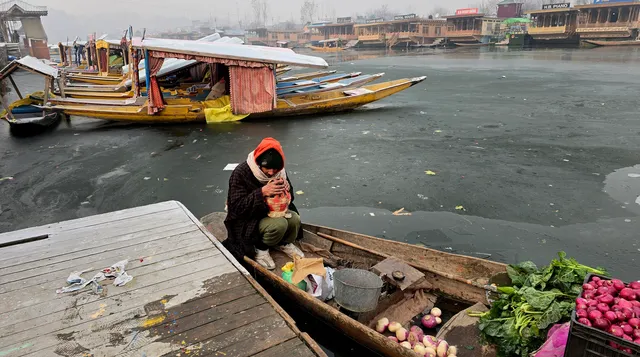
South Kashmir has remained among the colder parts of the Valley, while Srinagar has also witnessed biting morning temperatures and reduced visibility in some areas.
The cold is particularly difficult for people living in poorly insulated homes, families with limited heating facilities, elderly residents, outdoor workers and those who cannot afford to keep heating appliances running for long hours.
For many households, winter is not simply a matter of putting on warmer clothes. It is a season of rising expenses, interrupted routines and a constant effort to keep homes warm while managing electricity bills.
1. Water Crisis: When Pipes Freeze and Supply Gets Disrupted
When temperatures remain below freezing for prolonged periods, exposed pipes, household connections, taps and water storage systems can freeze. In vulnerable locations, residents may experience reduced water flow or temporary disruption in supply, forcing families to store water in advance or depend on alternative arrangements.
The problem can become particularly severe in higher-altitude villages and areas where water infrastructure is exposed to freezing temperatures.
Water scarcity during winter is not always caused by a shortage of water resources. Sometimes, the issue is the inability of infrastructure to deliver water reliably under extreme cold conditions.
The consequences extend beyond drinking water. Frozen or disrupted supplies can affect:
-
Household sanitation and toilet facilities
-
Washing and cleaning
-
Hospitals, clinics and other essential institutions
-
Restaurants, hotels and small businesses
-
Construction and other daily wage activities
As temperatures drop further, the Jal Shakti Department faces the challenge of maintaining supply lines, responding to complaints and repairing damaged or frozen infrastructure before a local disruption turns into a prolonged crisis.
2. Electricity Crisis: Heating Demand Meets Winter Power Stress
This creates a difficult situation for the power distribution system. Demand increases precisely when winter conditions, infrastructure vulnerabilities and peak-hour consumption can place additional pressure on electricity supply.
For residents, unscheduled power cuts during freezing nights are more than an inconvenience. They can affect children studying, elderly people, patients requiring comfortable indoor temperatures and families living in homes without alternative heating arrangements.
The pressure is also economic. Many households must make a difficult choice between maintaining warmth and managing electricity bills. With prolonged heating requirements, consumption can rise sharply, adding to winter financial stress.
The challenge for authorities will be to manage peak demand, reduce distribution losses, repair damaged infrastructure, prevent transformer overloads and ensure that essential services receive dependable power.
A cold winter combined with an unreliable electricity supply can quickly turn into a serious public welfare issue.
3. Health Concerns: Cold Weather Can Hit Vulnerable People Hardest
Cold weather can aggravate asthma and other breathing problems, while exposure to extremely low temperatures increases the risk of hypothermia and other cold-related illnesses. Smoke from poorly ventilated heating arrangements can also contribute to indoor air pollution.
The combination of cold temperatures and morning haze may be especially uncomfortable for people suffering from respiratory conditions. However, haze does not automatically mean pollution is at dangerous levels, and its cause can vary. Fog, moisture, suspended particles and local emissions can all contribute to poor visibility.
Health experts generally advise residents to take precautions during extreme cold:
-
Keep vulnerable family members adequately warm.
-
Avoid prolonged exposure to cold during early mornings and late evenings.
-
Use heating appliances safely and maintain ventilation where required.
-
Avoid burning charcoal or other fuel inside poorly ventilated rooms because of carbon monoxide risks.
-
Seek medical attention if someone develops breathing difficulty, chest pain, confusion or unusual drowsiness.
Winter illnesses can place additional pressure on hospitals and health facilities, particularly if cold conditions persist and respiratory infections rise.
4. Dense Haze and Morning Visibility: A Growing Commuter Concern
Dense haze during early morning hours is adding another layer of difficulty for commuters.
Drivers travelling before sunrise may face reduced visibility, especially along highways, rural roads, bridges and stretches near water bodies. School transport, public buses, two-wheelers and commercial vehicles are particularly vulnerable when visibility deteriorates.
The risk increases when drivers maintain speed despite poor visibility, use high beams that create glare or fail to maintain safe distances.
Commuters should allow additional travel time, use appropriate fog lights where available, avoid sudden braking and drive cautiously through fog- or haze-affected stretches.
For road authorities, winter preparedness should include warning signs, reflective markers, visibility measures and timely alerts wherever conditions become hazardous.
5. Winter Heating Costs and Household Financial Pressure
Families relying on electric heating may face higher electricity bills. Those using traditional heating arrangements must also manage fuel costs and safety concerns. Poorly insulated homes lose heat quickly, forcing residents to consume more energy simply to maintain a tolerable indoor temperature.
The burden is not evenly distributed. Families with limited incomes, people living in rented accommodation, labourers, elderly residents living alone and households in remote areas may have fewer options to protect themselves against extreme cold.
Winter hardship often remains invisible. A family may not report a problem, but could be rationing heating, limiting electricity use or avoiding necessary expenses to make it through the month.
This is where social welfare measures, targeted assistance and accessible winter support become important, especially during prolonged cold spells.
6. Agriculture, Livestock and Outdoor Livelihoods Face Winter Stress
Farmers must protect vulnerable crops against frost damage, while livestock owners need to ensure adequate fodder, shelter and access to water.
For people working outdoors, including construction workers, delivery workers, street vendors, drivers and labourers, the cold can reduce working hours and affect earnings. In Kashmir’s winter economy, a day of extreme cold can mean not only physical discomfort but also lost income.
The situation becomes more difficult when dry weather persists, temperatures remain low overnight and frost repeatedly forms on exposed surfaces.
7. Dry Weather May Intensify the Cold
Meteorological indications of continued dry weather are another important factor.
When skies remain clear overnight, the ground loses heat more rapidly, often allowing minimum temperatures to fall further. This can lead to colder mornings, more widespread frost and harsher conditions in areas already experiencing low temperatures.
A prolonged dry spell can also raise broader concerns about winter precipitation. Snowfall and rainfall play an important role in Kashmir’s water cycle, replenishing water sources and contributing to seasonal water availability.
While a few dry days do not automatically indicate a water shortage, an extended lack of precipitation can become concerning if it continues into the winter season.
The situation needs to be watched closely, particularly in a region where snow accumulation has implications for water availability, agriculture, rivers, springs and future seasonal demand.
8. What Preparedness Should Look Like Before the Harshest Winter Arrives
The priority should be to ensure that winter emergencies do not catch essential departments off guard.
Key measures include:
-
Water supply: Protect exposed pipelines, identify vulnerable areas, keep repair teams ready and establish alternative supply arrangements.
-
Electricity: Strengthen distribution networks, prepare transformer replacement stocks, improve complaint response and manage peak winter demand.
-
Healthcare: Ensure availability of medicines, heating in hospitals, emergency transport and respiratory care.
-
Road safety: Improve fog warnings, maintain snow-clearing machinery, stock essential road maintenance material and prepare emergency response teams.
-
Public assistance: Identify elderly people, vulnerable households and remote communities needing winter support.
-
Weather communication: Provide timely, accessible forecasts and warnings through reliable channels.
Winter preparedness is most effective when it begins before a crisis, not after residents start facing frozen pipes, prolonged outages or blocked roads.
9. The Bigger Question: Is Kashmir Prepared for a Longer, Harsher Winter?
Kashmir’s cold season is a recurring test of infrastructure, public services and household resilience. Every winter brings familiar difficulties, but the scale of their impact depends on how effectively authorities prepare and how well essential services function under pressure.
The immediate concern is not the cold alone. It is the combination of freezing temperatures, dry weather, electricity dependence, vulnerable water infrastructure, rising household expenses and health risks.
Residents can take precautions, but the responsibility cannot rest entirely on individual households. Reliable electricity, functioning water systems, responsive healthcare, safe roads and timely weather information are essential services, particularly during extreme winter conditions.
With the Valley already experiencing a sharp drop in temperatures, the coming weeks will be crucial. If the dry spell continues and nighttime temperatures fall further, the pressure on households and public infrastructure could intensify.
Kashmir is entering the part of the year when winter stops being merely seasonal and becomes a test of endurance. The real measure of preparedness will be whether people can get through the freezing months without water disruptions, prolonged power cuts, preventable health emergencies or avoidable hardship.