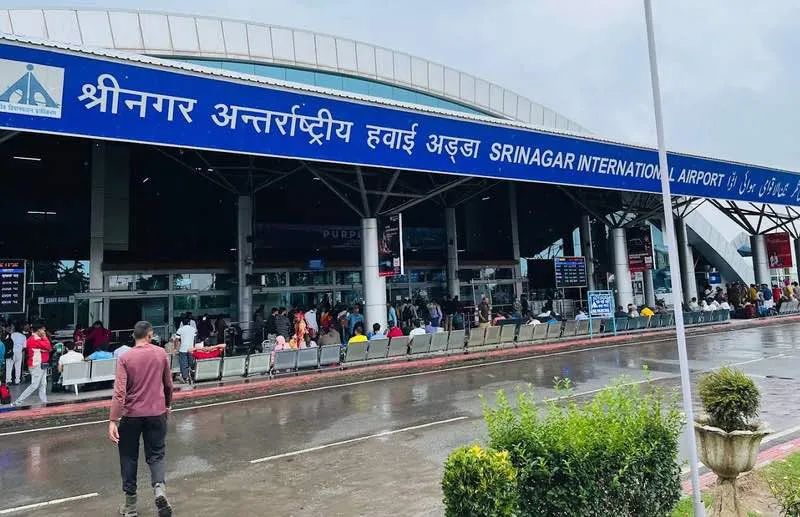
Srinagar Airport Closure 2026: Runway Upgrade Plan Raises Tourism and Economic Concerns Across Kashmir
By: Javid Amin | 01 June 2026
Civilian Flights to Remain Suspended Every Monday and Tuesday from July to September
Kashmir’s tourism and travel industry is preparing for a challenging summer after authorities confirmed that Srinagar Airport will remain closed for civilian flight operations every Monday and Tuesday from July through September 2026. The decision has been taken to facilitate major runway repair, resurfacing, and safety enhancement works aimed at improving long-term aviation infrastructure and operational reliability. Airport authorities have confirmed that commercial passenger flights will remain suspended on the designated days, while military operations will continue as usual.
While aviation experts acknowledge the necessity of runway modernization, the timing of the closure has triggered concern among tourism operators, hoteliers, transport providers, and pilgrimage organizers who depend heavily on visitor arrivals during Kashmir’s busiest travel season.
Why Srinagar Airport Is Being Closed Twice a Week
According to airport authorities, the closure forms part of an extensive runway maintenance programme designed to ensure compliance with aviation safety standards and support future growth in passenger traffic. The project follows several months of operational restrictions already imposed due to ongoing runway-related work. Earlier in 2026, flight operations were limited to daytime schedules as runway upgrades progressed.
The latest arrangement replaces an earlier proposal that reportedly considered weekend closures. Instead, authorities opted for Monday and Tuesday suspensions from July to September, allowing airlines to operate normally during the remaining five days of each week.
For aviation planners, resurfacing work is considered essential. Runway recarpeting enhances aircraft safety, reduces wear and tear, improves landing performance, and extends the operational life of airport infrastructure.
Peak Tourism Season Faces Unexpected Disruption
The closure comes at a particularly sensitive time for Kashmir’s tourism sector.
July, August, and September represent one of the most profitable periods for the Valley. Thousands of tourists arrive daily to experience destinations such as:
- Dal Lake
- Gulmarg
- Pahalgam
- Sonamarg
The summer months traditionally witness strong demand from domestic tourists, international visitors, family vacationers, honeymoon travelers, and adventure enthusiasts. Any reduction in air connectivity during this period is expected to influence travel decisions, particularly among visitors with short itineraries.
Industry stakeholders fear that recurring two-day closures every week could discourage spontaneous bookings and lead many travelers to postpone or cancel planned visits.
Tourism Industry Warns of Significant Economic Impact
Tourism remains one of Kashmir’s most important economic pillars.
From hotels and houseboats to taxi operators, guides, handicraft sellers, restaurants, photographers, and local markets, a vast network of businesses depends directly or indirectly on tourist arrivals.
Travel associations estimate that a prolonged reduction in flight availability during peak season could result in a noticeable decline in visitor numbers. Industry experts warn that even a 20–30 percent reduction in tourist inflow during critical months could affect thousands of livelihoods across the Valley.
The impact is expected to be particularly visible in:
Hotel Industry
Hotels and guesthouses rely heavily on summer occupancy rates to generate a substantial portion of their annual revenue. Reduced arrivals may force operators to lower prices or offer promotional packages to maintain occupancy.
Houseboat Operators
Owners of traditional houseboats on Dal Lake and Nigeen Lake are concerned about possible booking cancellations from domestic travelers who depend on direct flights to Srinagar.
Local Handicraft Sector
Artisans producing carpets, papier-mâché products, pashmina items, walnut wood carvings, and other traditional crafts could experience lower footfall from tourists, affecting sales during one of the busiest shopping seasons.
Transport Operators
Taxi drivers, tour guides, shikara operators, and local transport providers may face reduced demand if visitor arrivals decline.
Travel Agencies Brace for Operational Challenges
Travel companies are already assessing how to adapt their packages around the closure schedule.
Many operators expect increased administrative costs as itineraries require constant adjustments. Tourists booking fixed-duration holidays may need to:
- Extend stays by one or two days
- Shift travel plans to alternate dates
- Use road transport from Jammu
- Accept revised airline schedules
Industry representatives say flexibility will become critical for both travelers and service providers.
Several agencies are considering revised travel packages that incorporate road transfers and additional sightseeing options to compensate for disrupted flight schedules.
Amarnath Yatra Pilgrims Could Face Additional Travel Hurdles
The closure period overlaps with the annual pilgrimage season of the revered Amarnath Cave Shrine.
Every year, thousands of pilgrims arrive in Kashmir by air before proceeding to the shrine through traditional routes.
Although authorities are expected to make logistical arrangements, travel planners believe the Monday-Tuesday shutdowns could complicate movement for some pilgrims, especially those with fixed travel schedules.
Pilgrimage organizers may need to coordinate more closely with airlines, transport agencies, and accommodation providers to avoid congestion and delays.
Alternative Routes May Come Under Pressure
With Srinagar Airport unavailable two days a week, travelers are likely to explore alternative entry points into Kashmir.
Possible consequences include:
Increased Dependence on Jammu
Many visitors may choose to fly into Jammu and continue by road to Kashmir. This could increase traffic volumes on the Jammu–Srinagar National Highway.
Road Travel Congestion
Higher passenger movement through road networks may place additional pressure on transport infrastructure, particularly during weekends and holiday periods.
Limited Flexibility for Last-Minute Travelers
Business travelers and short-term tourists may find it more difficult to secure convenient travel options during closure days.
Balancing Infrastructure Development and Tourism Growth
The situation highlights a broader challenge faced by many tourism-dependent regions: balancing infrastructure modernization with economic activity.
Airport upgrades are essential for long-term growth. Improved runway conditions can support safer operations, accommodate future increases in air traffic, and enhance overall passenger experience.
However, stakeholders argue that infrastructure projects must be carefully coordinated with tourism cycles to minimize economic disruption.
Some industry representatives believe that more extensive consultation with tourism bodies could have helped identify alternative schedules or mitigation measures.
What Can Be Done to Reduce the Impact?
Experts suggest several steps that could help soften the economic effects of the closure.
Better Communication
Early and transparent communication from authorities, airlines, and tourism agencies can help travelers plan effectively.
Airline Schedule Optimization
Carriers may increase capacity on operating days and adjust schedules to accommodate displaced demand.
Tourism Package Redesign
Travel agencies can create flexible itineraries that account for closure days and include alternative transport arrangements.
Government Assistance
The tourism department may consider awareness campaigns, support measures, and coordination efforts to reassure visitors and maintain confidence in Kashmir as a destination.
Promotion of Extended Stays
Encouraging longer vacations could offset some of the disruptions while increasing tourist spending within the local economy.
Looking Beyond the Temporary Disruption
Despite concerns, aviation experts note that runway resurfacing projects are necessary investments that ultimately strengthen connectivity and safety. Similar airport maintenance programmes have been undertaken at other airports across India as part of broader infrastructure modernization efforts.
For Kashmir, the coming months will test the resilience of a tourism industry that has shown remarkable recovery and growth in recent years. Success will depend on how effectively authorities, airlines, travel operators, and businesses coordinate to manage the transition.
The challenge is clear: ensuring that essential infrastructure improvements proceed without significantly undermining the tourism-driven economy that supports thousands of families across the Valley.
Conclusion
The twice-weekly closure of Srinagar Airport from July to September 2026 represents more than an aviation story—it is a critical socio-economic issue for Kashmir. While runway upgrades promise safer and more efficient air travel in the future, the immediate concern revolves around maintaining tourist confidence, protecting local livelihoods, and ensuring smooth travel for visitors and pilgrims alike.
If managed effectively, the Valley can navigate the temporary disruption and emerge with stronger aviation infrastructure. If not, the closures risk becoming a costly setback during one of Kashmir’s most important tourism seasons.