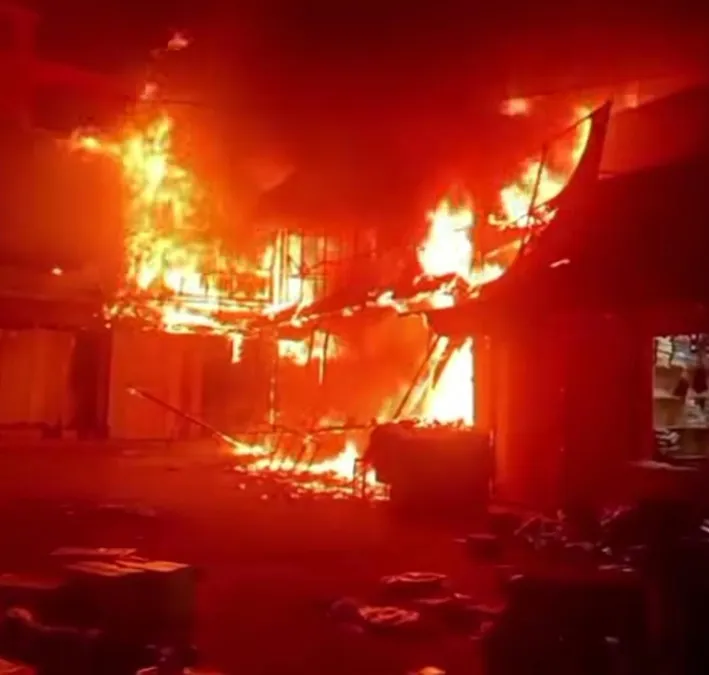
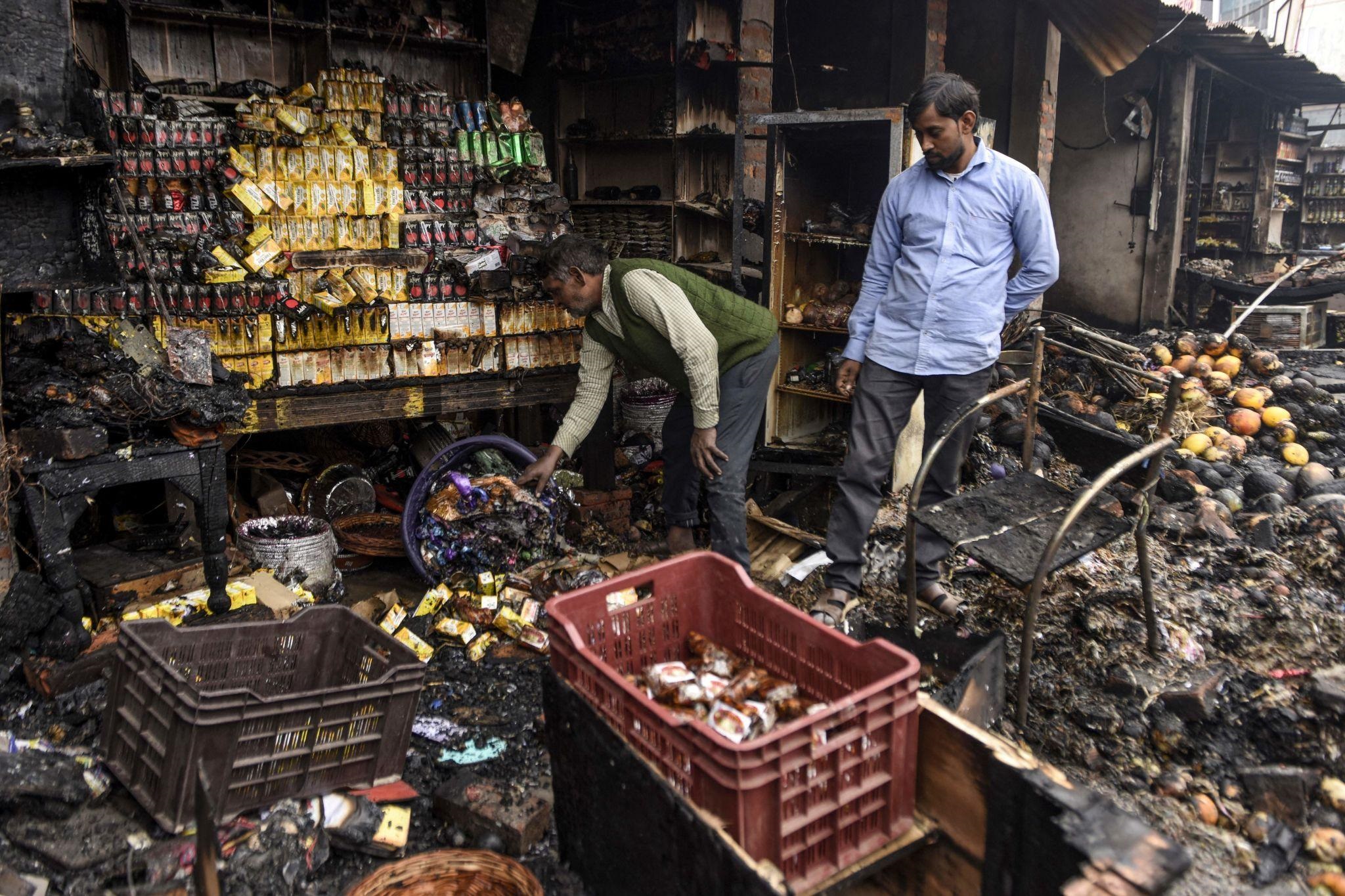
The restoration of damaged infrastructure, including buildings and bridges, has been going on at a snail’s pace in the Jammu region since the floods ravaged government and private property in the first week of September 2014.
The restoration work on damaged bridges and other structures has either been left midway or has not been started even after 36 months. Besides, the liabilities on works executed are pending with various departments.
Official sources said one of the piers of the floodgates in the upcoming Artificial Lake on the Tawi was damaged in the 2014 floods but no effort was made to repair it, leading to damage to another pier. The department concerned did not begin work on it, reasons best known to the officials at the helm of affairs.
Similarly, the floods had badly affected road connectivity in the sensitive border district of Poonch.
“As many as 193 roads were damaged in the floods in Poonch district. Of the total damaged roads, 121 were major thoroughfares — 34 in Surankote, 33 in Mandi, 31 in Poonch and 23 in Mendhar — connecting several villages with the tehsil and district headquarters,” the official sources said, adding that “Of the 31 damaged bridges in Poonch and its periphery, only one was fully restored while the work on the remaining 30 bridges was either left midway or has not yet begun”.
In Rajouri district, a footbridge at Potha was damaged after rains followed by heavy floods in 2014. The work on the footbridge has not been started yet despite it being converted into a motorable bridge by the district administration. The bridge is to come up at a cost of Rs 5.5 crore and the construction has been allotted to a Kashmir-based contractor.
Shafiq Mir, chairman, All Jammu Kashmir Panchayat Conference, who belongs to Rajouri, said the infrastructure damaged during the floods in Rajouri and Poonch had not been repaired.
“Nothing has changed since the 2014 floods. Our district suffered extensive loss to life and property during the floods. Schools, culverts and roads have not been repaired. The government has forgotten its promises made to the people while the opposition parties are not bothered about raising the issue,” he alleged.
Around 300 persons had lost their lives in the floods, including over 200 from Jammu and 85 from Kashmir. The state government had claimed that nearly 12.5 lakh families were affected by the floods. The government had claimed that the state had suffered losses to the tune of Rs 1 lakh crore due to the floods.
More than 3.5 lakh structures, mostly residential houses, were damaged in the floods. The crop losses were estimated at Rs 5,611 crore, including Rs 4,043 crore to agriculture and Rs 1,568 crore to the horticulture sector spread over 6.516 lakh hectares.
Ten districts of the Jammu region were the worst affected during the floods. Around 29,000 structures were damaged in the floods.
In terms of deaths, Rajouri saw the highest number of 92 deaths followed by Udhampur, where 62 people were killed in the natural calamity. In Jammu district, nine people had lost their lives.
Huge losses suffered
The restoration work on damaged bridges and buildings has either been left midway or has not been started
The floods had affected road connectivity in Poonch. Nearly 200 roads in the district were damaged
More than 3.5 lakh structures, mostly residential houses, were damaged in the floods. The crop losses were estimated at Rs 5,611 crore
3 Years On, flood damaged infrastructure yet to be rebuild